 By admin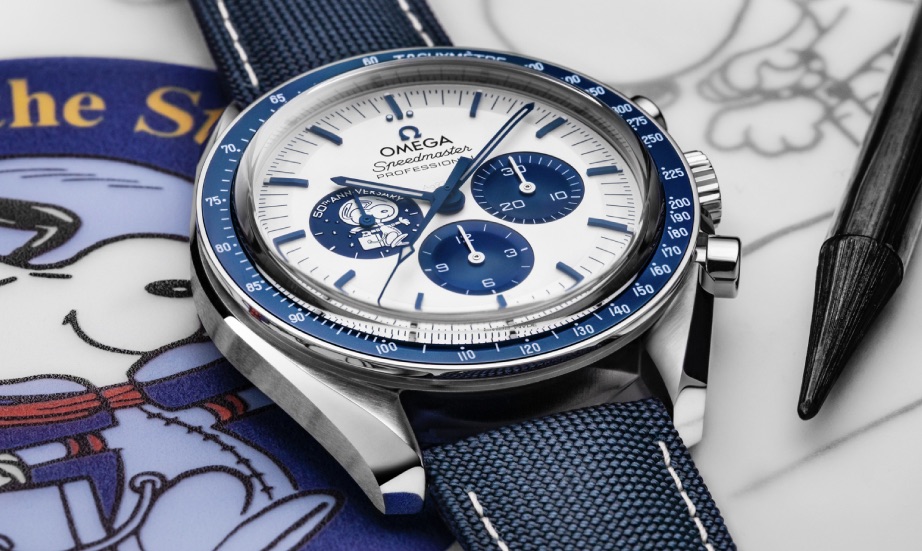
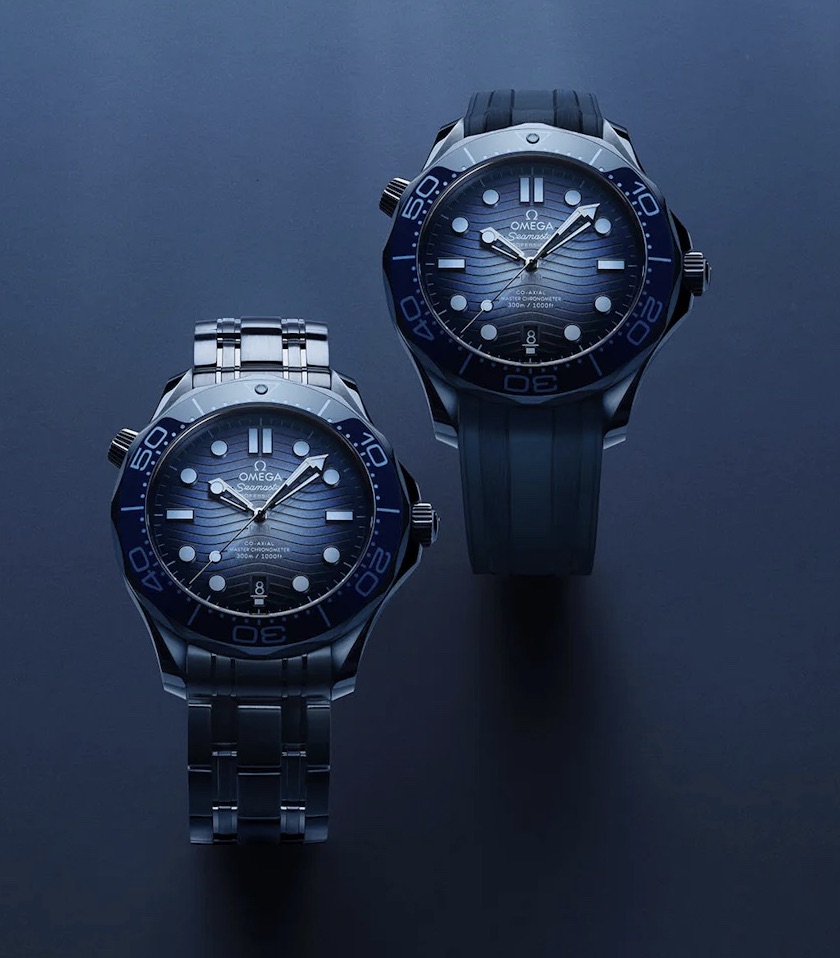
Although the Seamaster and Speedmaster represent two very different branches of Omega’s identity, both lines share a rich engineering heritage. For collectors exploring high-grade replicas, the distinction between these two families extends beyond aesthetics. Their movements, case architecture, materials, and functional priorities differ in ways that create unique wearing experiences. Understanding these differences helps collectors make more informed decisions when comparing model families.
Movement Architecture and Performance
The Seamaster (particularly in its modern Co-Axial form) prioritizes stability and long-term efficiency. Many replica Seamaster models attempt to emulate:
- Lower friction escapement layouts inspired by Omega’s Co-Axial system
- Improved power delivery from modified gear trains
- Consistent amplitude during positional variation
- Enhanced anti-magnetic stability in certain versions
The Speedmaster, on the other hand, is built around chronograph-driven engineering. High-grade replicas typically focus on:
- Modular chronograph assemblies that mimic Omega’s layout
- Smooth pusher action with well-controlled reset alignment
- Balanced register spacing for dial authenticity
- Stable beat rates that minimize timing drift
This difference in movement priority — efficiency versus chronograph performance — shapes the fundamental identity of each model.
Case Engineering and Durability Considerations
The Seamaster case architecture is defined by its water-resistant engineering. Even replicas attempt to capture traits such as:
- Screw-down crowns with reinforced tube threading
- Caseback sealing structures designed to mimic pressure-resistant systems
- Ceramic bezels engineered for both appearance and durability
- Lug curvature that improves comfort across wrist sizes
Speedmaster replicas emphasize structural balance and chronograph usability rather than marine performance. Their priorities include:
- Stem height alignment that maintains pusher geometry
- Hesalite-style crystals with period-correct distortion
- Caseback accuracy replicating either sapphire or solid variants
- Bezel insert fidelity for both thickness and typography
Each model reflects a distinct philosophy — tool-watch durability versus functional precision.
Dial Execution and Technical Readability
The Seamaster dial emphasizes clarity under dynamic lighting and underwater reflection. High-grade replicas replicate:
- Vertical teak patterns with clean, evenly spaced grooves
- Lume application with uniform thickness and controlled diffusion
- Bezel-to-dial colour harmony that reinforces identity
- Applied indices with polished facet geometry
The Speedmaster dial instead focuses on multi-register readability. Replica dials are evaluated based on:
- Subdial depth and stepped-design authenticity
- Print sharpness especially at small scale
- Hand stack proportions that avoid excessive height
- Chronograph seconds alignment on reset
Where the Seamaster seeks clarity, the Speedmaster seeks balance.
Why Collectors Compare These Two Lines
Despite their differences, many collectors weigh the Seamaster against the Speedmaster because both families represent the core of Omega’s mechanical heritage. Choosing between them often depends on whether one prioritizes functional versatility or chronograph engineering. Resources that study omega replica watches from a technical perspective help clarify these distinctions.
Which Model Family Suits Different Types of Collectors?
- Choose Seamaster replicas if you value: material science, durability, water-resistant architecture, and modern Omega engineering.
- Choose Speedmaster replicas if you value: chronograph mechanisms, historical lineage, stepped-dial aesthetics, and precision-oriented design.
Both replicate Omega’s identity in different ways — one through functional engineering, the other through mechanical storytelling.
Final Technical Reflection
The Seamaster and Speedmaster occupy distinct yet complementary roles within Omega’s world. Their replica counterparts mirror these identities with surprising fidelity when produced at the highest level. Understanding their mechanical priorities, structural differences, and design logic gives collectors the confidence to choose the model that best aligns with their preferences.
For enthusiasts who appreciate engineering depth, mechanical nuance, and authentic character, comparing these two Omega pillars reveals the true richness of the brand’s evolution.